Best Roofing Contractors in Downtown Bay City and Old Town Bay City
The best roofer for a Downtown Bay City or Old Town Bay home is the one you can check before you hire. This guide lists the checks that matter here, and the warning signs that should stop you.
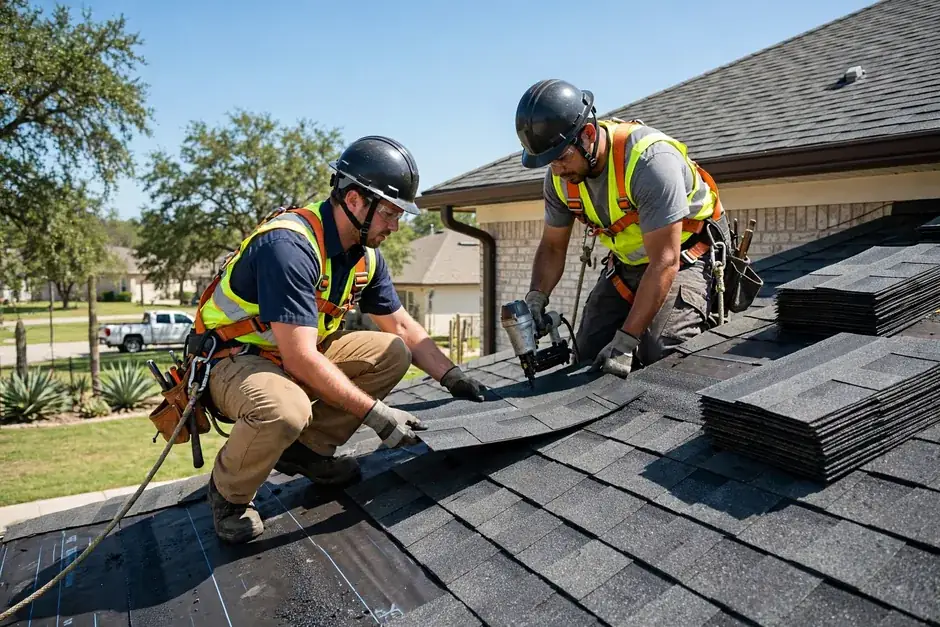
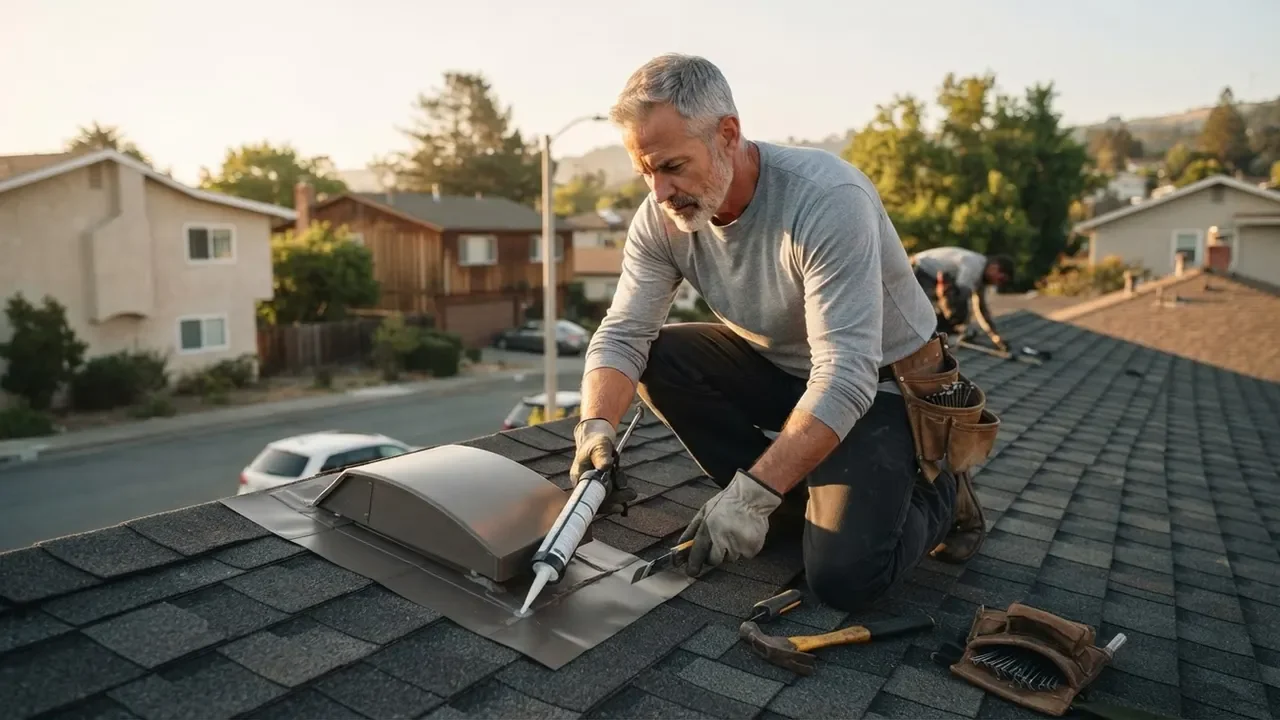
Searching for the best roofing contractor in Downtown Bay City or Old Town Bay will give you a long list of names and a short list of facts. This guide does not rank companies, because a ranking without evidence is advertising, not advice. Instead, it explains how to judge any roofer yourself, using the checks that matter most for the older homes in these two neighborhoods and for the coastal conditions of Matagorda County.
Downtown Bay City and Old Town Bay are the oldest parts of town, and their roofs show it. The houses are older, the roof slopes and materials vary more from one street to the next, mature trees overhang many roofs, and access can be tight on narrow streets. A roofer who works well here needs to handle varied roof ages, work around trees, and protect older landscaping and walkways. Those are practical questions to ask, and they matter more than any slogan.
Older Homes, Different Roofs
The first thing to understand about Downtown and Old Town Bay is that no two roofs are alike. Some houses carry their original roof structure with a covering that has been replaced more than once. Some have had additions that joined two roof slopes at an awkward angle. Some have chimneys, skylights, and dormers that a newer subdivision house does not have. A roofer who treats them all the same will miss the details that cause leaks.
Age also means the deck underneath may be older than the shingles on top of it. A covering can look sound while the decking beneath has soft spots from decades of small leaks, and a repair that only replaces shingles will not fix a soft deck. Ask any roofer how they check the deck, and what happens if they find soft or rotted boards. The answer tells you whether the inspection is real or just a look from the street.
Mature trees are the other feature of these neighborhoods. Branches overhanging a roof drop leaves into valleys and gutters, rub against shingles in the wind, and can fall on a roof in a storm. Hurricane Beryl, which came ashore near Matagorda on July 8, 2024, knocked trees onto homes across Bay City, and older neighborhoods with larger trees felt it most. A roofer working here should look at the trees as part of the roof, not as someone else's problem.
Check Insurance Before Anything Else
Before you discuss price, materials, or schedules, ask for proof of insurance. A roofing company working on your home should carry general liability coverage and workers' compensation coverage, and should be willing to show you a current certificate. This is not a formality. Roofing is high work, and if a worker is injured on your property or a neighboring property is damaged, the question of who pays is decided by insurance, not by good intentions.
Ask for the certificate directly, and check the dates on it. A certificate that expired last year is not coverage. If a roofer cannot produce one, or becomes vague when you ask, that is a clear reason to stop. No price is low enough to justify hiring an uninsured crew to work above your home.
Keep a copy of the certificate with your contract. If anything goes wrong during the work, it is the first document you and your insurer will need.
Texas Has No Statewide Roofing Licence
Here is a fact that surprises many homeowners: Texas has no statewide roofing contractor licence. There is no state licence to check, and any company that claims to hold a Texas roofing licence is claiming something that does not exist. Requirements for roofers are set at the city or county level, so what applies in Bay City may differ from what applies in Houston or Austin.
That makes your own checks more important, not less. Ask what local requirements apply in Bay City and Matagorda County, and check them with the city or the county rather than taking a salesperson's word for it. A permit may be required for a full re-roof, and the permit process is also how the work gets inspected. A roofer who is comfortable with permits and inspections is a roofer who expects the work to be checked.
Be careful with other credential claims as well. Manufacturer certifications, association memberships, and safety training cards are real things, but they belong to specific people or specific companies, and they should be verifiable. A claim that cannot be verified should be treated as a claim, not a fact.
Ask About Windstorm Certification
Matagorda County is one of 14 first-tier coastal counties in the Texas Department of Insurance catastrophe area, and that has a direct effect on any re-roof in Downtown Bay City or Old Town Bay. A full roof replacement here needs inspections by the Texas Department of Insurance while the work is under way, so a WPI-8 certificate of compliance can be issued. Without it, a property may not be eligible for windstorm and hail coverage through the Texas Windstorm Insurance Association.
The inspections happen in stages. The deck and its fastening are inspected before the underlayment goes down. The underlayment, including self-adhered membrane at eaves, valleys, and penetrations, is inspected before the covering goes on. The final fastening pattern is checked against the tested assembly for the rated wind speed. These stages cannot be inspected after the fact, so they must be scheduled before the old roof comes off.
Ask any roofer bidding a re-roof how they handle this schedule, and who files the WPI-1 application before the work starts. A roofer who works regularly in Matagorda County will answer without hesitation. A roofer who has never heard of the WPI-8 is not the right roofer for a coastal re-roof, however good the price looks.
Ask How the Work Follows the Manufacturer's Instructions
Every roofing material comes with the manufacturer's installation instructions, and those instructions are part of the warranty. For shingles, they specify the nailing pattern, the exposure, and the underlayment. For metal, they specify the clip spacing, the panel overlap, and the fastener type. A roof installed outside those instructions may look fine and still fail in the next storm, and the manufacturer may not honor the warranty.
Ask the roofer to explain, in plain terms, how the crew will follow the instructions for your material. For a shingle re-roof in Bay City, that should include six nails per shingle and a coastal fastening pattern. For a metal roof, it should include the clip spacing for the tested wind-uplift rating. Vague answers here are a warning sign. A crew that knows the instructions can explain them simply.
Also ask what happens if the crew finds something the instructions do not cover, such as a deck repair or an unusual flashing detail. The answer should be that the roofer stops, explains the situation, and agrees the change with you before continuing, not that the crew improvises and carries on.
Get the Scope in Writing
A written scope is the single most useful document in a roofing job. It should list the materials by name, the underlayment, the flashing work, the ventilation work, the cleanup, and what is covered if a leak returns. It should say what happens if the crew finds rotted decking, and how that extra work is priced. It should give a start date, a realistic duration, and a payment schedule tied to stages of the work, not to a single payment upfront.
Compare quotes on scope, not on price alone. A low quote that leaves out the underlayment, the flashing, or the cleanup is not cheaper; it is incomplete. A higher quote that includes those things and explains them is usually the better value. If two quotes differ by a large amount, the difference is almost always in the scope, and the roofer should be able to explain it line by line.
Do not sign a contract that you have not read, and do not let anyone pressure you into signing on the spot. A legitimate roofer will leave the quote with you and answer questions the next day. Pressure to sign now is a reason to walk away.
Warning Signs After a Storm
After a hurricane, door-to-door roofing offers increase sharply in Matagorda County. Some of those crews are legitimate businesses helping with the workload. Others follow a familiar pattern: a low price quoted at the door, a demand for a large payment upfront, work that starts and is left unfinished, or a repair that fails in the next rain, by which time the crew has moved on.
The warning signs are consistent. A roofer who arrives uninvited and insists on an immediate decision. A quote given without climbing onto the roof or entering the attic. A demand for full payment before the work starts. No local address, no recent local work you can view from the street, and no proof of insurance. Any one of these is a reason to pause. Two or more is a reason to stop.
The safest habit after a storm is to call a roofer yourself, on a number you found independently, rather than hiring the person who knocked on your door. Get the leak controlled first, then choose a roofer on your own terms, with time to check insurance, scope, and references.
Get Help Choosing a Roofer in Bay City, Texas
If you need roofing work in Downtown Bay City or Old Town Bay, Bay City Roofing, TX can inspect your roof, explain what it needs in plain terms, and give you a written scope before any work starts. Call (877) 791-3217 to arrange an inspection and ask the questions in this guide directly.